
Creating a robust prospect database is the foundation of successful B2B lead generation. Without quality data, even the most brilliant sales campaigns will fall flat. Today’s competitive landscape demands precision, accuracy, and strategic thinking when building your prospect lists.
Understanding Your Ideal Customer Profile
Before building your database, you need a crystal-clear Ideal Customer Profile (ICP). Consider:
-
Company size
-
Industry
-
Geographic location
-
Annual revenue
-
Technology stack
Align these with the pain points your solution solves. A well-defined ICP ensures your sales team focuses only on prospects with genuine potential, avoiding wasted effort on unqualified leads.
Sourcing Quality Prospect Data
Prospect data comes from multiple sources, each with unique strengths:
-
LinkedIn → detailed company and contact insights
-
Industry directories → structured sector-specific listings
-
Website visitor identification → reveals companies already researching your solutions
-
Trade publications & events → highlight emerging opportunities
-
Referrals & networks → often yield highly qualified leads
-
Company websites & public databases → reliable baseline information
Combining sources creates a comprehensive, accurate database that balances breadth with depth.
Essential Data Points to Collect
Your database should capture both company-level and contact-level details.
-
Company data: name, industry, size, revenue, location
-
Contact data: names, job titles, email addresses, phone numbers, LinkedIn profiles
-
Firmographic insights: funding rounds, expansions, technology stack, competitive positioning
-
Engagement history: responses, website activity, previous interactions
Consistent formatting ensures easier filtering, segmentation, and analysis as the database grows.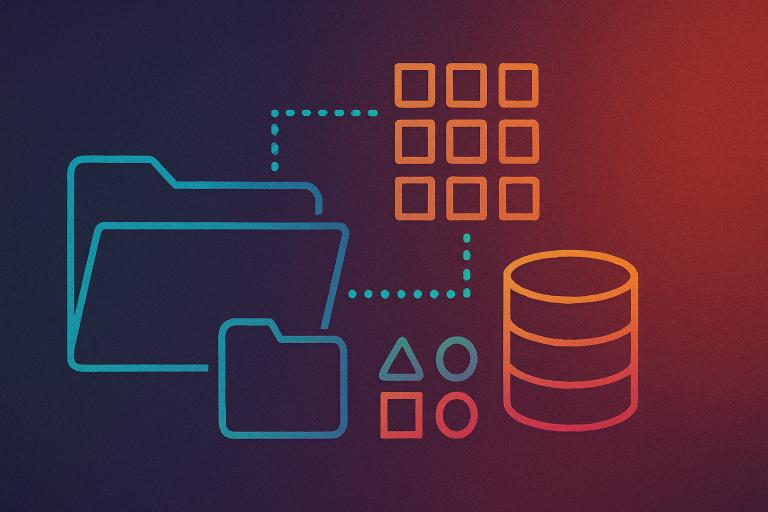
Maintaining Data Accuracy and Hygiene
Data decays quickly — people move roles, companies restructure, and contact details expire.
-
Run email validation checks to protect sender reputation
-
Verify details through LinkedIn and direct sources
-
Validate phone numbers to avoid wasted calls
-
Schedule quarterly reviews to remove duplicates and inactive contacts
Clean data improves both campaign performance and brand credibility.
Segmentation Strategies That Drive Results
Segmentation transforms raw data into actionable insights.
-
Firmographic segmentation: company size, vertical, region, or technology use
-
Behavioural segmentation: activity levels, website visits, engagement history
-
Role-based segmentation: tailoring messaging for technical, economic, or operational buyers
This ensures messaging is highly relevant, improving engagement and conversion rates.
Leveraging Technology for Database Building
Automation tools can streamline database building, but must be used wisely.
-
CRM systems: centralise and manage all prospect information
-
Email automation: sequence outreach efficiently
-
LinkedIn automation: scale personalised social selling
-
Website visitor identification: turn anonymous traffic into actionable leads
Integrating these tools prevents silos and ensures smooth data flow. Remember: technology amplifies data quality — poor inputs only scale poor results.
Measuring Database Performance
Track meaningful metrics to validate your database:
-
Conversion rates → identify best-performing data sources
-
Response rates → measure alignment of targeting and messaging
-
Data decay rates → guide cleansing frequency
-
Cost per qualified lead (CPL) → optimise resource allocation
Regular analysis keeps your database aligned with both sales goals and market realities.
Building Your Perfect Database
A high-performing B2B database demands:
-
Strategic planning
-
Accurate, multi-source data
-
Consistent maintenance and hygiene
-
Smart use of technology
-
Continuous measurement
At SendIQ, we specialise in building high-converting prospect databases that fuel outreach success. By combining multiple data sources, advanced segmentation, and proven maintenance processes, we deliver prospect lists ready for meaningful sales conversations.

